Industry Dashboard
Retail Power BI Dashboard for Sales and Inventory Visibility
Many retail organizations rely on disconnected POS systems, inventory management, and customer data platforms to track performance. Without a unified retail analytics dashboard, sales trends become unclear, inventory decisions are reactive, and leadership lacks visibility into which products and locations drive profit.
What the Retail Dashboard Tracks
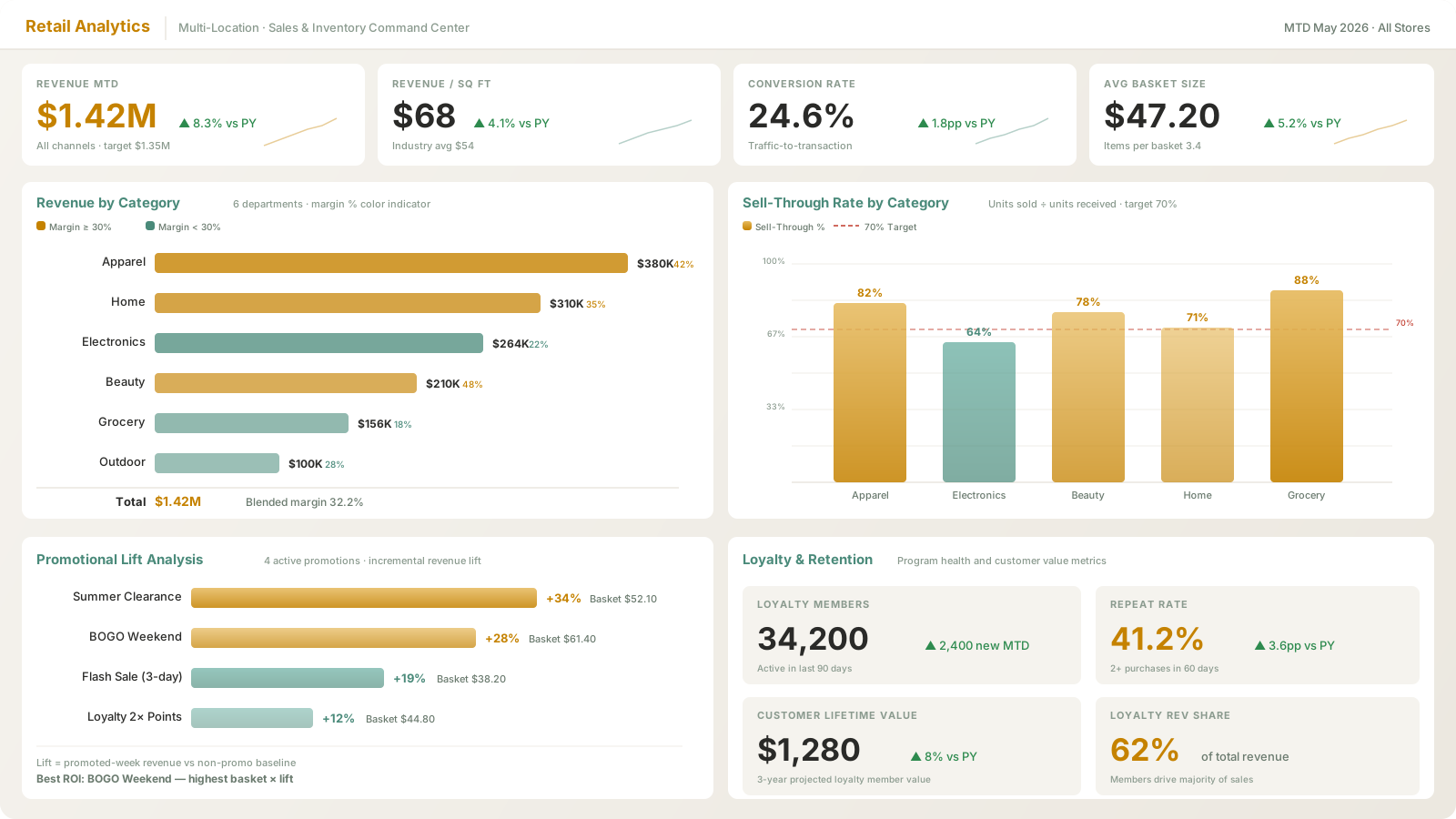
This retail Power BI dashboard provides a single source of truth for retail operations reporting.
Sales Performance
- Sales by product, location, and category
- Average transaction value
- Profit by product and department
Inventory Management
- Inventory turnover
- Stock-out frequency and impact
- Seasonal trends and forecasting
Customer Insights
- Customer traffic and conversion rates
- Purchase behavior patterns
Sample Business Use Cases
With real-time retail analytics, merchandising managers optimize product mix by identifying which categories drive the highest margins by location. Store operations teams reduce stockouts by forecasting seasonal demand patterns and adjusting inventory levels proactively. Marketing leaders improve promotional effectiveness by analyzing customer traffic patterns and conversion rates to time campaigns for maximum impact.
See How We Engage
Business Impact for Retail Teams
Governed, Scalable Retail Analytics
Merchandising and store leadership gain clearer visibility into profitability, stronger inventory optimization, and improved sales performance.
Real-time operational reporting
Turning transactional data into actionable insight that drives sales growth and retail profitability.